
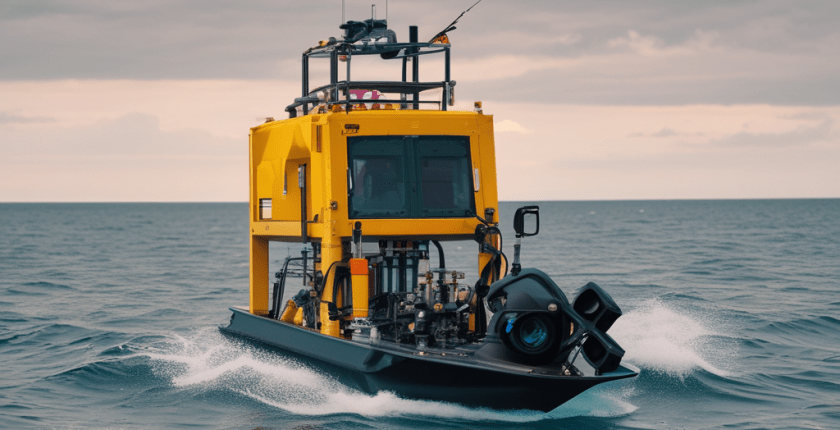
Marine Recovery: Strategies for Optimizing Salvage and Environmental Protection
Marine recovery, encompassing the salvage and reclamation of shipwrecks, lost cargo, and underwater resources, is a critical yet challenging sector. This field plays a vital role in safeguarding maritime environments, recovering valuable assets, and supporting marine conservation efforts. As the demand for efficient recovery solutions grows, marine recovery professionals must adopt innovative strategies to enhance their operations and meet evolving industry needs. This article explores effective approaches and best practices for thriving in the marine recovery sector.
The Importance of Marine Recovery
Environmental Protection
Marine recovery operations are essential for protecting the marine environment from pollution and ecological damage. Salvaging wrecks and hazardous materials prevents the release of toxic substances into the ocean, which can harm marine life and disrupt ecosystems. By addressing these environmental threats, marine recovery contributes significantly to ocean conservation and sustainability.
Economic Value
Recovering valuable assets from shipwrecks or lost cargo can offer substantial economic benefits. This includes reclaiming precious metals, historical artifacts, and other high-value items. Additionally, effective recovery operations can help minimize financial losses for shipping companies and insurers by retrieving valuable cargo and reducing liability.
Key Strategies for Success
Invest in Advanced Technology
Technological advancements are transforming marine recovery operations. Investing in state-of-the-art equipment, such as remotely operated vehicles (ROVs), autonomous underwater vehicles (AUVs), and advanced sonar systems, can enhance the precision and efficiency of recovery efforts. These technologies enable better underwater exploration, accurate location of assets, and safe extraction processes.
Implement Rigorous Safety Protocols
Safety is paramount in marine recovery operations, given the hazardous conditions and complex environments involved. Adopting comprehensive safety protocols, including regular training for personnel, use of personal protective equipment (PPE), and adherence to industry safety standards, is crucial for minimizing risks and ensuring successful operations.
Develop Expertise in Marine Environments
Understanding the unique challenges of different marine environments is key to effective recovery. This includes knowledge of underwater currents, seabed conditions, and local marine life. Marine recovery professionals should continually update their expertise and adapt their strategies to suit various environments, from shallow coastal areas to deep-sea locations.
Foster Strong Industry Partnerships
Building relationships with stakeholders such as shipping companies, insurers, environmental organizations, and regulatory bodies can enhance the success of marine recovery operations. Collaborating with these partners can provide access to valuable resources, information, and support, as well as help navigate regulatory requirements and environmental considerations.
Prioritize Environmental Responsibility
Integrating environmental stewardship into marine recovery operations is essential for maintaining ecological balance and complying with regulations. This involves implementing practices to minimize environmental impact, such as careful handling of recovered materials, proper disposal of waste, and adherence to guidelines for protecting marine habitats.
Navigating Industry Challenges
Managing Complex Logistics
Marine recovery operations often involve complex logistics, including transportation of equipment, coordination with various stakeholders, and management of recovery sites. Efficient planning and execution of logistical operations are critical for ensuring timely and successful recovery efforts. Utilizing project management tools and techniques can help streamline these processes.
Adapting to Regulatory Changes
The marine recovery sector is subject to a range of regulations and legal requirements, which can vary by region and type of recovery operation. Staying informed about regulatory changes and ensuring compliance with international, national, and local laws is essential for avoiding legal issues and maintaining operational integrity.
Addressing Environmental Concerns
While marine recovery contributes to environmental protection, the recovery process itself can pose risks to marine ecosystems. Implementing best practices for minimizing environmental impact, such as using non-invasive techniques and conducting environmental impact assessments, helps address these concerns and supports sustainable recovery efforts.
Dealing with Uncertainties
Marine recovery operations can be unpredictable, with factors such as weather conditions, underwater visibility, and equipment performance impacting outcomes. Developing contingency plans, using adaptive strategies, and maintaining flexibility in operations can help manage these uncertainties and improve the likelihood of successful recovery.
Conclusion
Marine recovery is a crucial field that combines the preservation of maritime environments with the reclamation of valuable assets. By investing in advanced technology, adhering to rigorous safety standards, understanding diverse marine environments, and fostering industry partnerships, marine recovery professionals can enhance their operations and achieve greater success. Addressing challenges related to logistics, regulation, environmental impact, and uncertainty with proactive strategies will ensure that marine recovery continues to contribute positively to ocean conservation and economic recovery. Embracing these approaches will help navigate the complexities of marine recovery and drive progress in this vital industry.
